Branding quotes in Australia can vary substantially because two projects called ‘branding’ may contain completely different amounts of research, strategy, design, testing and implementation. This guide explains how to define the scope behind the number, compare proposals on equal terms and prepare a more useful brief before approaching a creative partner.
A founder in Brisbane may need an assured identity for one new service. An established organisation in Sydney may be aligning several divisions, while a Melbourne ecommerce brand may require packaging, photography direction and a Shopify redesign.
Useful discussion about brand identity design cost Australia therefore begins with scope. The objective is not to find one universal price. It is to understand which decisions, assets, people and implementation responsibilities a proposal includes—and which remain with your team.
What Does Brand Identity Design Include?
A professional identity engagement can begin with discovery: reviewing the business, its customers, competitors, existing materials, direction and constraints. Brand strategy may then define positioning, priority audiences, value proposition, personality and practical principles for decision-making. Customer research, stakeholder interviews and competitor analysis deepen that foundation where the project requires them.
Verbal work can include naming, messaging and tone of voice. Visual development can include logo design, typography, a colour system, graphic devices, photography direction, illustration and iconography. The identity may then be applied to packaging, a corporate website, a Shopify store, social templates, presentations, proposals, reports, signage or campaigns. Brand guidelines and launch support help the system move from presentation into daily use.
Not every organisation needs every component. A proposal should explain why each activity is present, what it produces and how it supports the objective. The value of professional branding services lies in this connection between business decisions and usable outputs.
Logo Design Versus Brand Identity Design
A logo-only assignment may provide a primary logo, basic variations, a limited colour palette and exported files. That can be appropriate for an independent operator or a simple venture with a narrow set of needs. The limits should be understood.
A complete identity system may include research, positioning, several responsive logo configurations, typography, colour roles, imagery, layout principles, digital applications, templates, guidelines and implementation support. It considers how the business will communicate rather than solving one identifying mark in isolation.
This difference explains why a search for logo design cost Australia produces quotations that cannot always be compared. One provider may be pricing a mark; another may be pricing strategic corporate identity design across multiple channels. Ask each provider to separate assumptions, activities and deliverables so you are assessing like for like.
What Influences Branding Costs in Australia?
Research and Strategy
Research can range from a focused leadership workshop to a wider programme of stakeholder interviews, customer conversations, category analysis and existing-brand assessment. Strategy may involve a simple positioning statement or a detailed framework covering audiences, offers, proof, personality, architecture and messaging.
Greater depth can reduce guesswork, but it should be proportionate. A small launch does not automatically need a national research programme; a complex rebrand should not be based only on the founder’s preferences. A capable brand strategy agency Australia should explain the evidence required for the decisions at hand.
Number of Stakeholders
Several founders, departments, office leaders or approval groups add facilitation, documentation and decision-making time. The design task may remain similar, yet the project-management task becomes materially larger.
Before requesting proposals, define who contributes, who decides and who is informed. An unclear approval structure creates repeated feedback and can extend a programme without improving its result.
Business and Brand Complexity
A single-product business has a different structural problem from a multi-service consultancy. Parent and sub-brands, multiple product ranges, several locations, franchise systems and international markets require decisions about hierarchy and relationships.
An organisation operating across Perth, Adelaide and the Gold Coast may need local flexibility within one recognisable system. An international company entering Australia may need to preserve global equity while adapting language, channels and applications for local use. Complexity, not company prestige, should determine the work.
Number of Deliverables
Presentation templates, proposals, packaging, reports, social templates, advertising, signage, email templates, website design and motion design each require their own information and production constraints. A long deliverables list also creates more testing, feedback and handover.
Separate essential launch items from later phases. This keeps the initial scope focused without pretending that rollout will take care of itself.

Website and Ecommerce Requirements
Identity and digital design are related but distinct scopes. A corporate website requires content hierarchy, navigation, responsive components, accessibility, case studies, forms and development decisions. Shopify work adds product discovery, collection and product pages, merchandising, subscriptions or bundles, cart behaviour and customer journeys.
Effective ecommerce branding Australia connects the identity with mobile shopping, product imagery and conversion paths rather than applying colours to a pre-existing template. AreoTech’s Shopify store design, website design and web development services show the implementation areas a brief may need to address.
Photography, Illustration and Art Direction
Custom photography and illustration can make an identity more distinctive, but they introduce planning, creative direction, production, licensing and usage considerations. Product photography, location work, talent, retouching, animation and illustration libraries are different commissions.
Clarify whether the branding partner is defining the visual direction, producing assets, coordinating specialist suppliers or supplying a brief for your team.
Brand Guidelines and Implementation
Basic guidelines may cover logo clear space, core colours and fonts. Comprehensive guidelines can explain typography, layout, photography, digital application, templates, accessibility, motion and brand governance.
The appropriate depth depends on who will use the identity. A founder working with one designer needs a different document from an organisation with distributed marketing teams and external suppliers. Implementation support—training, template setup, quality review and launch assistance—should be priced and scheduled explicitly.
Branding Project Levels
The following levels describe scope, not universal branding packages Australia or market prices. They provide a starting point for defining what a project must solve.
| Project level | Suitable for | Possible scope | Main implementation need |
|---|---|---|---|
| Level 1: Foundational identity | New small businesses, independent consultants, simple service firms and early-stage companies | Focused discovery, logo system, typography, colour palette and essential guidelines | A small number of consistently produced launch assets |
| Level 2: Strategic brand identity | Growing businesses, ecommerce companies, technology startups, professional firms and established businesses repositioning | Research, positioning, messaging direction, complete visual identity, realistic applications and brand guidelines | Coordination across website, sales, content or product channels |
| Level 3: Comprehensive rebrand | Established organisations, multi-market businesses, complex product or service portfolios and companies entering new markets | Stakeholder and customer research, brand architecture, positioning, messaging, identity, website, campaign, internal rollout and governance | Phased migration, team adoption and continuing quality control |
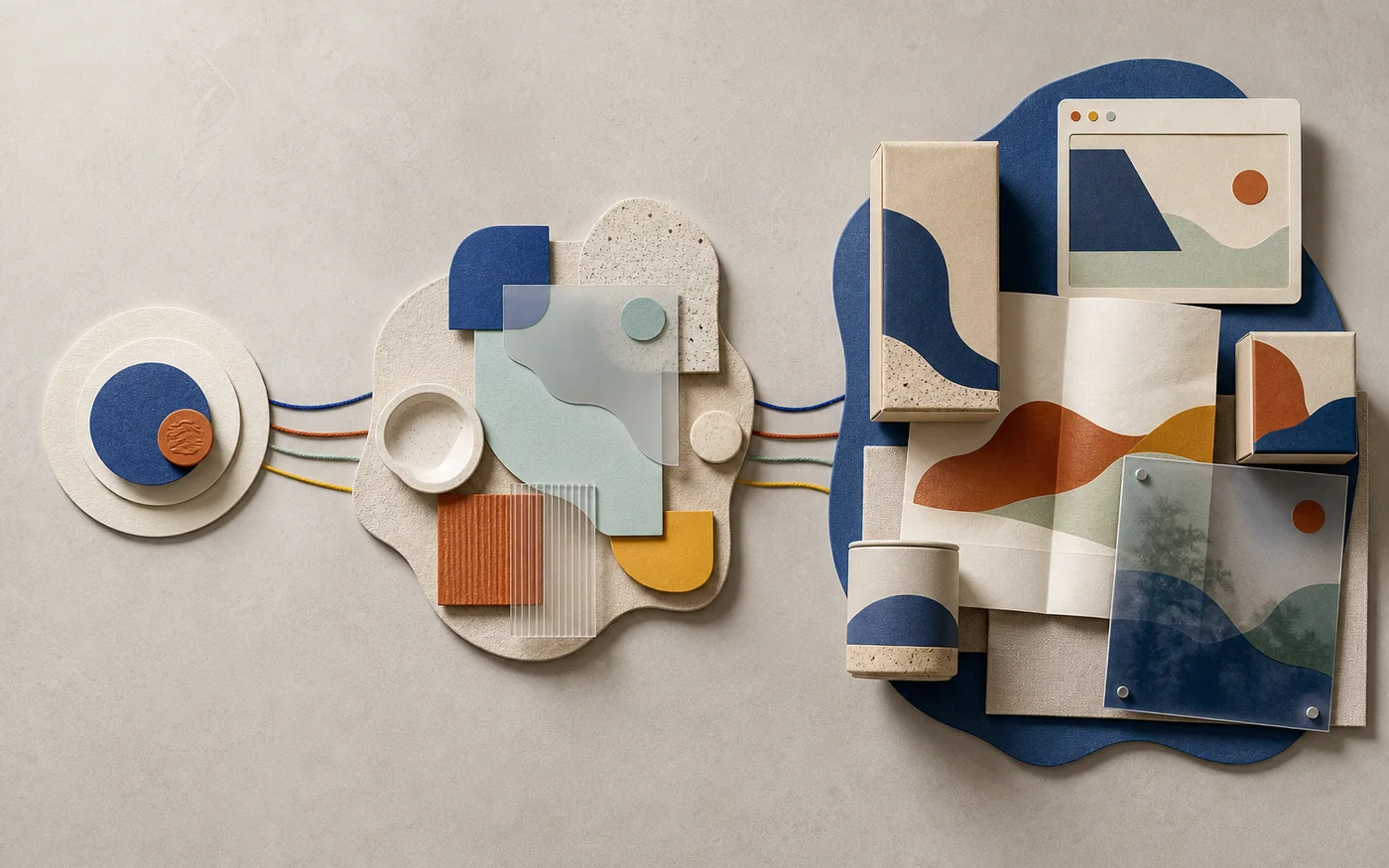
Exact pricing requires a defined brief. Even within one level, stakeholder count, markets, languages, existing assets and rollout responsibilities can change the required effort.
Planning a branding project? Download the Australian Brand Identity Budget Planner before requesting agency proposals.
The planner records business objectives, strategy, identity, website, packaging and content requirements; internal stakeholders; launch support; third-party expenses; preferred timing; and approximate investment range. It also provides space for assumptions, evidence, priorities and questions.
Freelancer Versus Studio Versus Branding Agency
An independent freelancer can offer direct communication, specialist craft and a lean cost structure. This model often suits a focused logo, illustration, packaging or design assignment when strategy and project leadership already exist internally. Capacity, continuity and breadth depend on one person or a small network.
A small creative studio can combine close senior involvement with complementary disciplines. A specialist branding practice may add deeper strategy, identity systems and implementation expertise. A full-service agency can coordinate a broader programme, but may carry more process and overhead. An internal design team offers business knowledge and continuing access, though it may need external perspective or specialist skills.
Neither a branding agency Sydney nor a branding agency Melbourne is automatically the right answer because of its location or size. Compare strategic depth, availability, digital and packaging capability, project management, scalability, continuity and implementation support against the actual brief. The best structure is the one that covers the project’s risks without paying for capabilities you will not use.
What Should Be Included in a Branding Proposal?
Branding-proposal checklist
- Project objectives and the business problem being addressed
- Scope, deliverables and explicit exclusions
- Discovery, research and strategy activities
- Creative process and number of directions or concepts
- Feedback, refinement and revision structure
- Timeline, milestones and client dependencies
- Named team and responsibility for the actual work
- Final file formats, source files and handover method
- Ownership, licences and third-party asset terms
- Website, ecommerce or packaging involvement
- Brand-guideline scope and template requirements
- Post-launch support and implementation responsibilities
- Third-party costs, payment schedule and change control
A transparent proposal allows the buyer to understand the basis of the branding agency cost Australia under consideration. “Complete branding” is not a useful scope unless the document defines what complete means.
Common Costs That May Sit Outside the Branding Quote
Potential additional costs include trademark searches, legal advice, domain purchases, printing, packaging production, photography, videography, copywriting, font licensing, stock imagery, website development, signage, translation, market research, travel and campaign media.
Some partners coordinate these items; others provide direction while the client appoints suppliers. Neither model is inherently better, but ownership and payment should be clear. Ask whether estimated third-party costs include mark-ups, usage periods, renewals, production management and tax.
This article does not provide legal, accounting, tax or trademark advice. Australian requirements and professional obligations vary, so obtain advice from appropriately qualified specialists for your circumstances.
Warning Signs in a Branding Proposal
Be cautious when deliverables are unclear, there is no discovery process, or unlimited revisions are offered without any decision structure. File ownership, licensing and exclusions should not be left until handover. A usable brand-guideline deliverable and realistic application testing should be discussed where relevant.
Other warning signs include unverifiable portfolio claims, guaranteed business outcomes, proposals based only on the number of logo concepts and no implementation conversation. Low investment is not itself a problem; unexplained scope is. High investment is not proof of quality either.
When Should an Australian Business Rebrand?
Rebranding may be appropriate when the company has outgrown its original identity, the system is inconsistent, or the business is moving upmarket. New regions, an expanded product range, a merger, restructuring, investment, succession or an international launch can expose structural limitations.
The website may no longer reflect the business. Customers may misunderstand the offer, or the identity may look too similar to alternatives. These signals affect business rebranding cost because some require a visual evolution while others involve positioning, architecture, naming and implementation.
Rebranding-readiness checklist
- Leadership agrees on the commercial reason for change.
- Priority audiences, offers and markets are defined.
- Existing recognition and useful brand equity have been audited.
- Decision-makers, contributors and final approval are clear.
- Current websites, packaging, templates and campaigns are inventoried.
- Internal capacity for migration and governance is realistic.
- External dependencies and specialist advice are identified.
- Budget range and timing reflect the likely level of scope.
- The launch can be coordinated across customer-facing channels.
The Brand Identity Design Process
A professional process usually begins with enquiry and qualification so both sides can confirm fit, objectives and constraints. Discovery and research examine the business, audience, market and current identity. Positioning and strategy provide the criteria for creative work.
Creative directions show coherent territories rather than disconnected logo options. Identity development then builds the selected direction into a system and tests it across representative applications. Refinement resolves practical details before guidelines, website or packaging implementation and launch support.
For organisations comparing a brand identity agency Australia, ask where decisions are made, when stakeholders participate and which dependencies sit with the client. Process should create clarity, not ceremony.
How Long Does a Branding Project Take?
There is no universal timeline. Research depth, stakeholder availability, decision-making, deliverable count, website scope, packaging, testing and launch requirements all affect timing.
A foundational identity with one decision-maker is relatively simple to schedule. A strategic identity involving research and several applications needs more stages. A comprehensive rebrand with multiple teams, markets and a website or packaging rollout requires coordinated approvals and implementation planning. Providers should state assumptions and client response requirements rather than promising a date before understanding the work.
How to Prepare a Branding Brief
A practical brief should cover:
- Company background, current identity and the reason for change
- Business objectives and measures of project success
- Priority audiences, markets and customer needs
- Competitors, alternatives and meaningful differentiation
- Required deliverables and useful existing assets
- Website, ecommerce and packaging requirements
- Decision-makers, contributors and approval structure
- Preferred timeline, dependencies and target launch date
- Approximate investment range and known third-party costs
Budget disclosure is useful when it helps a provider recommend a viable scope. It is not an invitation to fill the number. Ask the provider to explain trade-offs: which activities are essential, which can be phased and what risk a reduced scope creates.
How to Choose an Australian Branding Partner
Agency-evaluation scorecard
Score each area against evidence in the proposal and portfolio, then record the question that remains unanswered.
- Strategy and research: Is the proposed depth proportionate to the decision?
- Creative quality: Does the work express different client positions rather than one house style?
- Relevant experience: Is sector knowledge useful without producing category imitation?
- Digital expertise: Can the identity become an accessible, maintainable website or ecommerce system?
- Packaging expertise: Does the team understand hierarchy, formats and production handover where required?
- Communication and process: Are roles, feedback, approvals and change control explicit?
- Team structure: Do you know who will lead and complete the work?
- Deliverables and ownership: Are files, licences, exclusions and usage rights clear?
- Implementation support: Can the partner assist with templates, rollout, training or quality review?
- Cultural and market understanding: Can the work operate appropriately in Australia and any intended international markets?
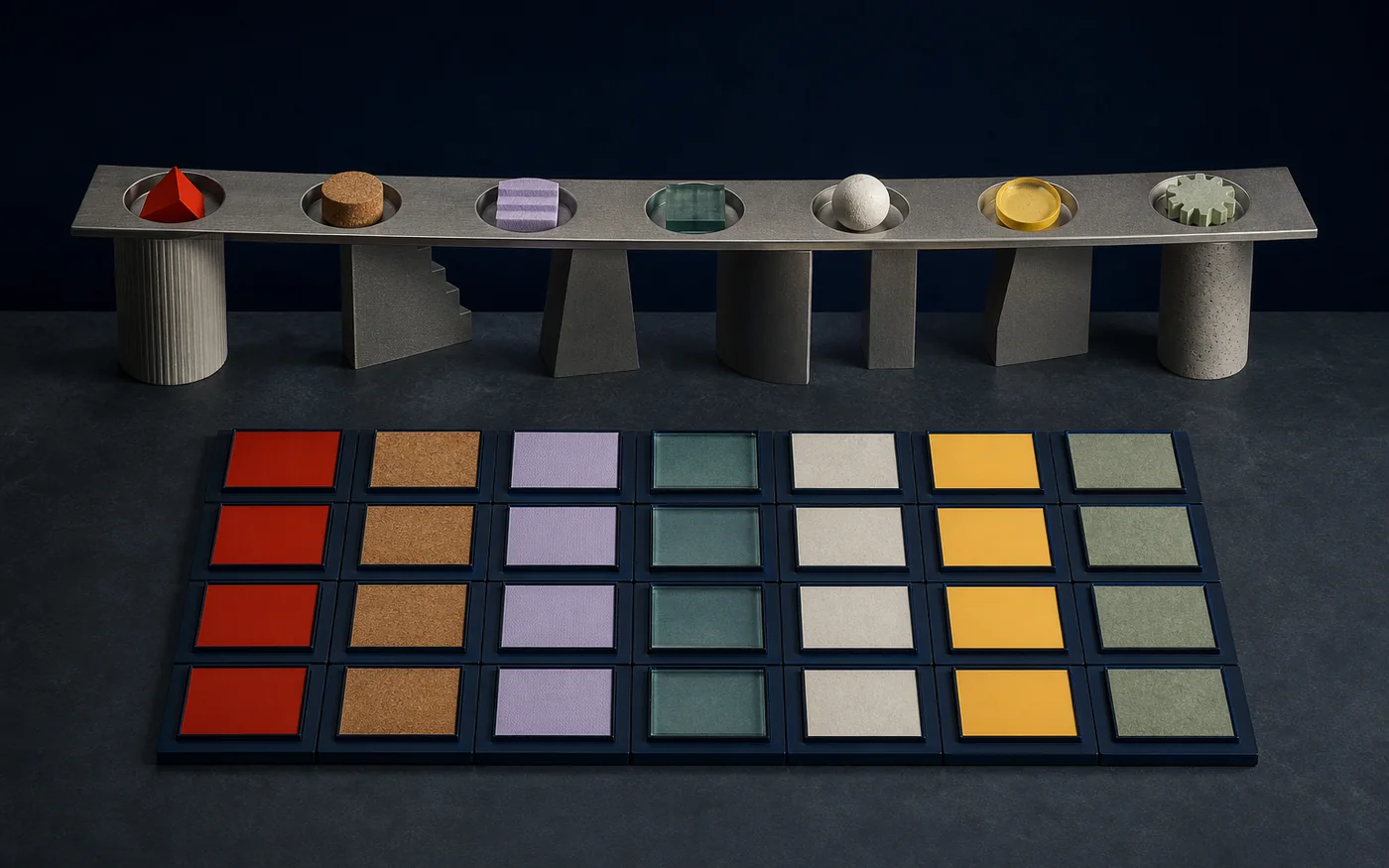
Aetherium is AreoTech’s independent creative practice specialising in brand identity, art direction and digital design. Its capabilities include brand strategy, packaging, editorial design, digital experiences and campaign systems.
The public Aetherium selected works provide visual examples rather than commercial claims: Naruta is a luminous packaging system for a functional-gummy product; Richina is vibrant sparkling-drink packaging inspired by watermelon and summer; ORVÉ is a refined identity for a contemporary watch brand; Agroverse connects growth, technology and place; and Agami Capital is shaped around clarity and forward motion. These descriptions do not imply results, budgets or work beyond what is publicly presented.
Explore the Aetherium homepage for its creative practice, or review AreoTech’s approach to branding and identity and visual identity design Australia. A remote, clearly managed collaboration can serve organisations in Canberra, Newcastle, Hobart, Darwin and elsewhere without turning geography into a substitute for fit.
Want to see how strategic thinking becomes identity, packaging and digital experience? Explore Aetherium’s selected work.
Frequently Asked Questions
How much does brand identity design cost in Australia?
There is no responsible universal figure. Investment depends on research depth, strategic complexity, stakeholders, deliverables, website or packaging requirements, implementation and launch support. A defined brief is necessary before a meaningful estimate can be prepared.
What is the difference between logo design and brand identity design?
Logo design concentrates on the primary identifying mark and basic variations. A brand identity project may also include strategy, positioning, typography, colour, imagery, layouts, digital applications, templates, guidelines and implementation support.
What should an Australian branding proposal include?
It should clearly state objectives, scope, research, deliverables, process, concepts, revisions, timing, team, ownership, third-party costs, exclusions, payment terms, guidelines and post-launch support.
How long does a branding project take?
Timing depends on research, stakeholder availability, decision-making, application count, website or packaging work, testing and launch dependencies. A focused identity is usually less complex to schedule than a multi-market rebrand and digital rollout.
Should I hire a freelancer, studio or branding agency?
Choose according to the problem, required disciplines, internal capacity and implementation risk. A freelancer may suit a focused assignment, while a studio or specialist practice may be better when strategy, identity, digital design and rollout must be coordinated.
Define the Scope Before Comparing the Number
The most useful question is not “What does branding cost?” but “What must this project decide, create, test and implement?” A clear answer makes proposals easier to compare and gives both client and creative partner a stronger basis for accountability.
AreoTech and Aetherium can connect brand strategy, identity, art direction and campaign systems with Shopify design, website design and digital implementation. The model can suit Australian businesses seeking one coordinated partner while remaining specific about responsibilities and deliverables.
Preparing a launch or rebrand? Request a brand identity project consultation and include your current website, business background, branding challenge, target audience, required deliverables, expected launch period and approximate project scope.